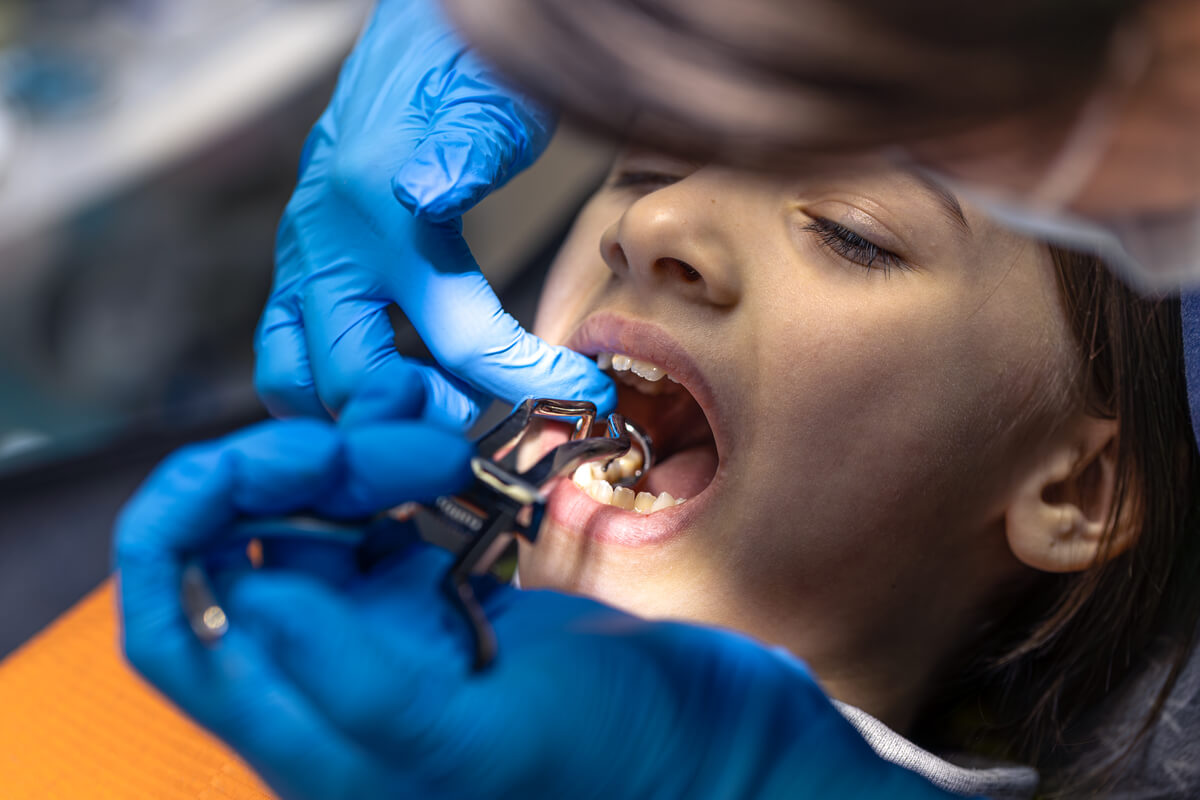
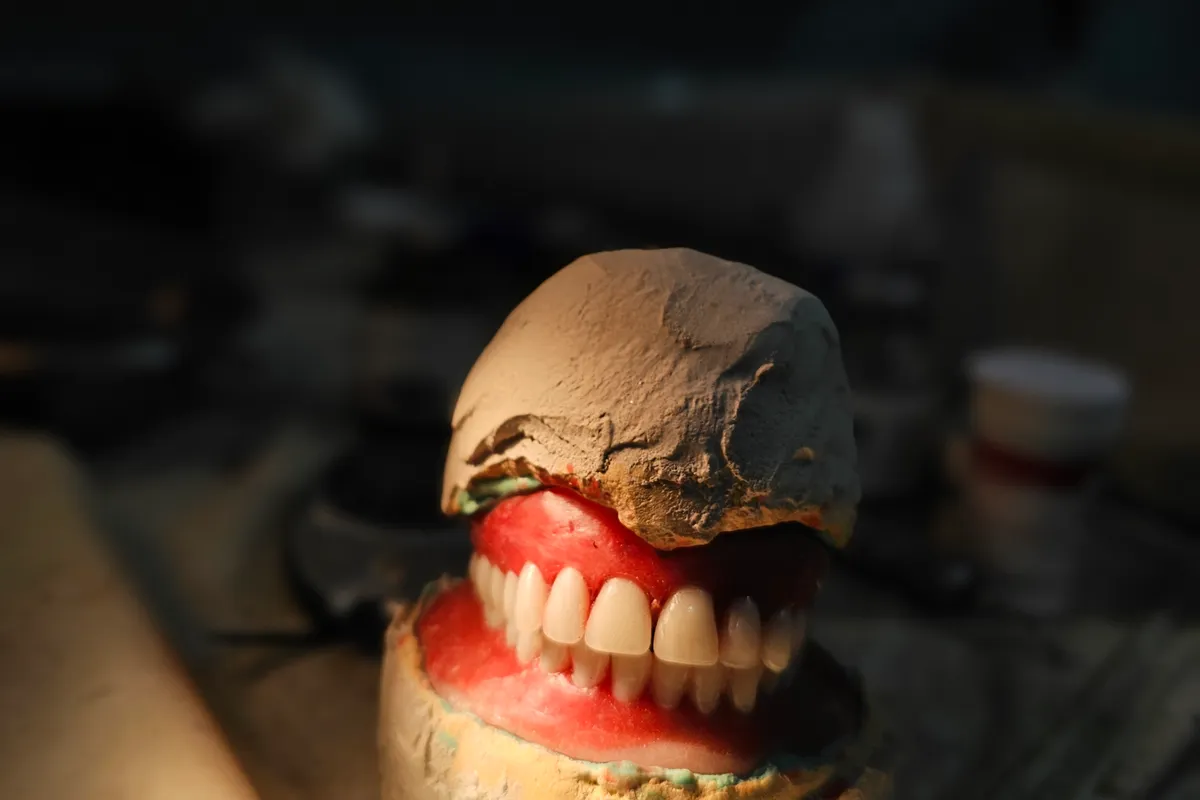
Partial dentures can last for many years if you take good care of them, but they do not last forever. Over time, they may wear out, break, or become loose as your mouth changes. Knowing how many years partial dentures typically last and what signs to watch for can help you avoid trouble while eating or speaking. Regular dental visits help your dentist near you check if your dentures need repair, adjustment, or replacement. The right time to replace them depends on their condition, how well they fit, and any changes in your gums, jaw, or remaining teeth.
How Long Do Partial Dentures Usually Last?
Partial dentures can last several years, but some may need to be replaced sooner. How long they last depends on the material, how often you wear them, and how well you care for them.
If you are thinking about getting partial dentures in Fort Langley, a dentist can explain your options and show you how to care for them. Regular dental visits can help keep your dentures comfortable and find any damage early.
What Affects the Lifespan of Partial Dentures?
Several factors can affect how long partial dentures last:
- Daily use: Wearing dentures every day can slowly wear down the teeth and other parts.
- Changes in your mouth: Your gums and jaw can change over time, which may make your dentures fit poorly.
- Cleaning habits: Not cleaning your dentures well can cause food and plaque to build up.
- Accidental damage: Dropping your dentures or handling them roughly can cause cracks or break parts.
- Remaining teeth: Changes in the natural teeth that hold your dentures can make them loose or less stable.
Good daily care and regular dental visits can help extend the useful life of partial dentures.
What Are the Signs That Partial Dentures Need to Be Replaced?
Changes in comfort, fit, or appearance may mean it is time for a dental checkup. Watch for these signs:
- Loose fit: Dentures move around when you talk, eat, or smile.
- Sore gums: Your gums feel sore or irritated after wearing the dentures.
- Cracks or breaks: The denture base, teeth, or other parts may crack or break.
- Difficulty chewing: Eating becomes harder because the dentures no longer feel stable.
- Speech changes: Loose dentures make certain words harder to pronounce.
- Visible wear: Denture teeth look worn down or have changed shape.
These signs do not always mean a full replacement is needed. An adjustment or repair may be enough, depending on the problem. Avoid trying to bend, glue, or repair the dentures at home.
Can Partial Dentures Be Repaired or Relined Instead?
Not every problem requires a new set of dentures. A dental professional may recommend:
- Adjustment: Small changes may improve comfort and reduce pressure on the gums.
- Relining: A new layer is added to the inside of the denture to improve its fit as the gums change.
- Repair: Certain cracks or damaged parts may be fixed if the denture is still in good condition.
- Replacement: A new denture may be needed if the existing one is badly damaged, worn out, or no longer fits properly.
A dentist in Fort Langley can check the dentures, gums, and remaining teeth to decide which option is suitable. Continuing to wear poorly fitting dentures may cause sore spots and make chewing uncomfortable.
How Can You Make Partial Dentures Last Longer?
Simple daily habits can help protect partial dentures and keep them in good condition.
- Clean them daily using a denture brush and a cleaner recommended for the material.
- Remove food particles after meals by rinsing the dentures.
- Handle them over a folded towel or a basin of water to reduce the risk of damage if dropped.
- Follow instructions about removing them at night.
- Keep the remaining natural teeth and gums clean.
- Attend regular dental checkups to review their fit and condition.
Avoid using hot or boiling water, as heat can change the shape of some dentures. Do not use regular toothpaste unless advised to do so, as some types may scratch the denture surface.
Restore Comfort With the Right Denture Care
Comfortable dentures can make everyday activities like eating and speaking easier. Bedford Dental Centre can assess the condition of existing partial dentures, check their fit, and explain whether an adjustment, repair, or replacement may be needed. Schedule an appointment to discuss the next step towards a more comfortable fit.
FAQs
How many years do partial dentures usually last?
Partial dentures can last several years. How long they last depends on the material, how well you care for them, and changes in your mouth. Regular dental visits can help your dentist find out when they need repair or replacement.
Can partial dentures become loose over time?
Yes. Your gums and jaw can change over time, which may make your dentures loose. A dentist can adjust them or add material to help them fit better.
Is it harmful to wear old partial dentures?
Wearing damaged or poorly fitting dentures may cause sore gums, irritation, and difficulty chewing. A dental checkup can help determine whether repair, adjustment, or replacement is needed.
Should partial dentures be removed at night?
In most cases, removing partial dentures at night gives the gums and supporting tissues time to rest. Follow the dentist’s instructions about overnight wear and cleaning.